Full Stack
Ligand-X: Automated Protein Simulation Platform
Project Overview
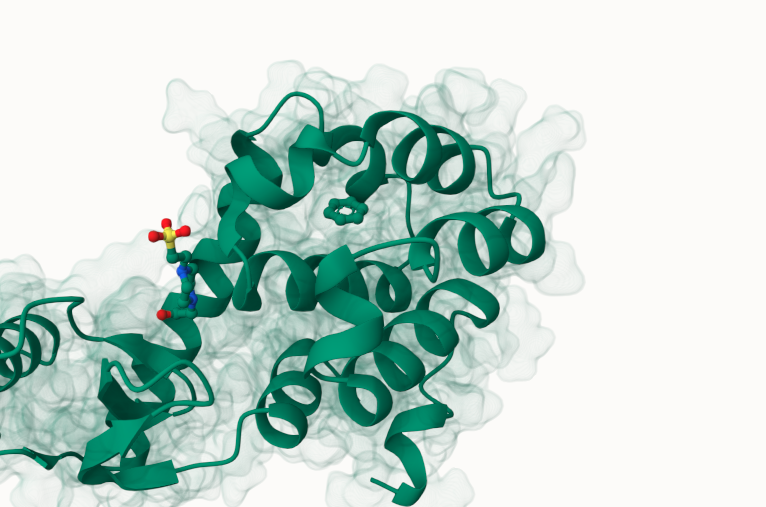
Ligand-X is a comprehensive web-based platform for molecular structure analysis, visualization, and computational chemistry workflows. It serves as a bridge between complex computational chemistry tools and researchers, providing a suite of microservices for cheminformatics and bioinformatics simulation, all accessible through a modern, intuitive web interface. The application supports multiple file formats (PDB, CIF, mmCIF, SDF), integrates with the RCSB PDB database, and features an interactive molecular editor and viewer, powered by Ketcher and Mol* respectively.
Key Features
Ligand-X offers tools for every stage of the computer aided drug discovery pipeline, executed locally on your machine using battle tested methodologies:






ADMET Prediction
Predict molecular properties and ADMET characteristics for drug-likeness assessment.
Technical Stack
| Layer | Technologies |
|---|---|
| Frontend | React, Next.js, TypeScript, Mol* (3D visualization), Ketcher (molecular editor) |
| Backend | FastAPI, Celery, Redis, PostgreSQL |
| Chemistry | RDKit, AutoDock Vina, OpenMM, OpenFF, ORCA, OpenFE, Boltz-2 |
| Deployment | Docker Compose, Conda, GPU support |
Architecture
Ligand-X uses a modular microservices architecture where each computational task runs in its own isolated service:
- Structure Service: Handles PDB/SDF parsing, component identification, and structure cleaning
- Docking Service: Manages molecular docking workflows with AutoDock Vina
- MD Service: Orchestrates molecular dynamics simulations with OpenMM
- QC Service: Manages quantum chemistry calculations with ORCA
- ADMET Service: Predicts molecular properties and drug-likeness
- Alignment Service: Performs protein structure alignment
- Ketcher Service: Provides interactive molecular editing
- Boltz-2 Service: AI-based binding affinity predictions
Each service can be deployed independently, allowing you to use only the tools you need. The gateway coordinates requests across services and manages job queuing through Redis and Celery workers.
Getting Started
Ligand-X is containerized with Docker for easy deployment. Simply clone the repository, from there you can use make build to build the Docker images, and make up to start all services. If you are going to be making changes to the code, you should use make dev to start all services in development mode, with frontend hot reload enabled.
The application will be available at http://localhost:3000
with the API gateway at http://localhost:8000.
the rabbitmq management interface will be available at http://localhost:15672.
the celery workers will be available at http://localhost:5555/workers/.
authentication can be setup using environment variables.
For detailed setup instructions, refer to the Ligand-X documentation on the github page:

Other Projects
- Full Stack · Ligand-X: Automated Protein Simulation Platform
- Bioinformatics · Simulating Protein-Ligand Complexes using Open Source tools
- Data Science · An investigation on wine
- Web development · This Website
- Data Science · Representative Samping for the Nuclear Ensemble Approach
- Cloud paradigms · Improving scalability using cloud paradigms
- Data Science · Biscuit Dunking Data Analysis
- Data Visualization · Atmospec Visualization Module
- Increasing Efficiency · Accelerating Python code
- More ›
Konstantin N
PROJECTS
React Next.js PDBFixer MolStar Ketcher OpenFF OpenMM OpenMMForceFields OpenFE AutoDock Vina Quantum Chemistry